
Young-tree outcome
Describe the form, clearance or damage issue and ask whether selected formative work can meet it. Smaller size does not automatically make removal the best or cheapest long-term decision.
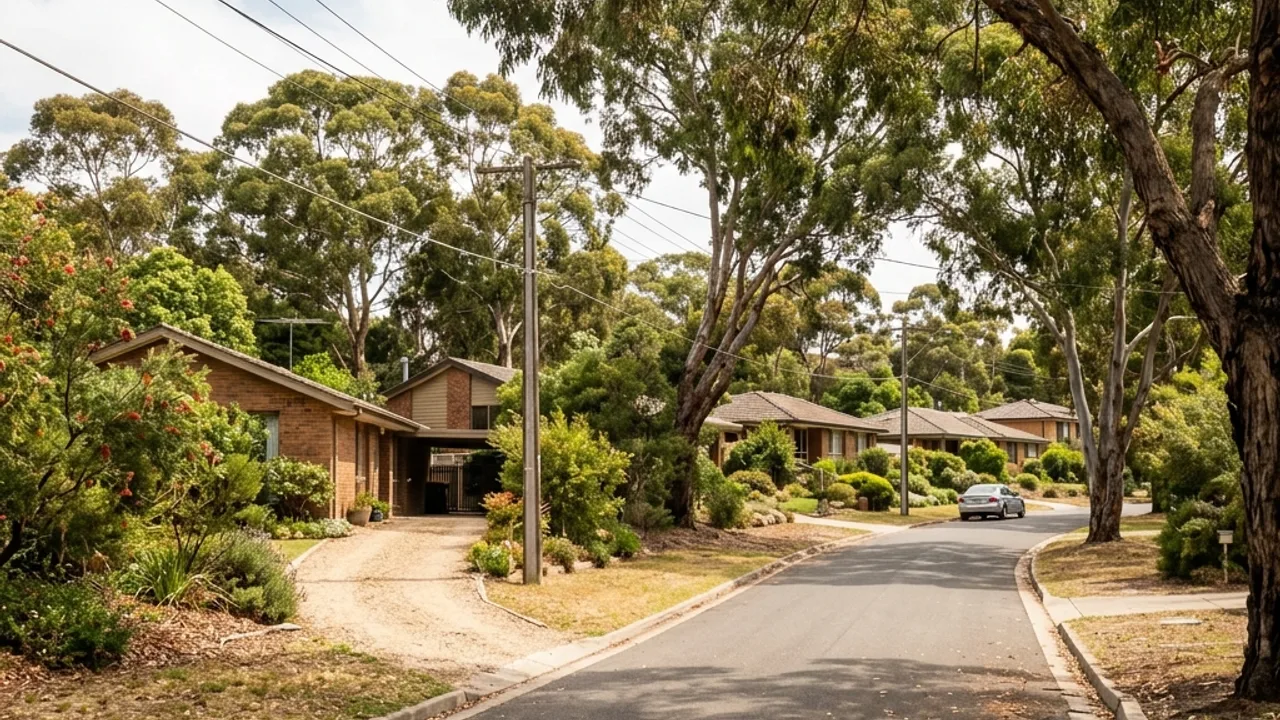
Gungahlin 2912
Gungahlin's planned estates and town-centre edges often make narrow access, young-tree management and neighbouring fences central to the quote.
Start with the actual site
A Gungahlin tree enquiry should start with the desired long-term result, not an assumption that a smaller or younger tree must be removed. Planned-estate access, services and close boundary fencing make formative pruning and careful site evidence useful alternatives to a height-based quote.
Where the tree is retained, name the issue: a competing leader, boundary clearance, a path conflict, deadwood or developing form. Formative pruning can address selected structural or clearance objectives before large cuts are needed, while indiscriminate reduction can create a different problem. If condition or risk is uncertain, use an assessment rather than treating a work quote as diagnosis. Removal remains available when the whole-tree decision is supported, subject to ownership and ACT protected-tree checks.
For the site scope, show the gate, side passage, fences, visible lines, known underground services and the place where people or equipment could stand. A planned-estate yard may have clear geometry but limited width between structures. State whether green waste leaves the site, whether a stump is included and what the former tree position should become. Ask the eventual provider to confirm pruning or dismantling method, proof, exclusions and the achievable finish after inspection.
Property-level questions
Describe the form, clearance or damage issue and ask whether selected formative work can meet it. Smaller size does not automatically make removal the best or cheapest long-term decision.
Include overhead lines and known buried services in the site evidence. Fences and compact setbacks can concentrate both access and service constraints.
Measure the smallest gate and side passage, then show every turn between Hibberson Street, Gundaroo Drive or the relevant frontage and the tree.
A clearer written enquiry
The enquiry names the retained-tree objective so selective pruning is not lost behind a generic request to cut down or cut back.
Line locations, boundaries and access are shown together, helping the provider assess the actual usable work area.
If removal is chosen, stump depth, grindings and the next use are agreed instead of treating the empty position as an automatic finish.
Local orientation
Yerrabi Pond, Gungahlin Marketplace and Gungahlin Leisure Centre are key local points around Hibberson Street, Gundaroo Drive and Gungahlin Drive. Franklin, Harrison and Ngunnawal sit within the surrounding district. Gungahlin's planned estates and town-centre edges create tree sites with different relationships to boundaries, services and shared movement. The relevant property evidence is the actual setback, age and purpose of the tree, the side-access width, nearby lines and the desired retained form or ground use. Those facts are stronger than a suburb-wide assumption about tree size or machinery access.
Local work context
A Gungahlin yard near Yerrabi Pond, the town centre or a planned residential edge can place a younger tree close to fences, services and compact side access. Photograph the canopy against the boundary, then show the path from Hibberson Street, Gundaroo Drive or the relevant approach to the trunk. If the issue is future clearance or developing form, ask what selective cuts would preserve the tree before requesting removal. For a full removal, mark the intended use of the space and disclose underground services so stump treatment and surface repair are not left to guesswork.
From photographs to written scope
For a Gungahlin property, include the gate and side passage in the first photograph set. Show tight fence lines, utility boxes, roof edges, neighbouring yards and the route back to the street. Newer landscaping or a completed extension can narrow access that once appeared open on plans or aerial imagery. Measure the smallest width and identify any step or turn, then show where cut material could be staged without assuming access through an adjoining property.
Use the tree's current form and the desired result to separate maintenance from removal. A young or medium tree conflicting with a fence, light or clearance objective may call for a defined pruning discussion, while an uncertain condition may need assessment. If removal remains the proposed outcome, request explicit ACT status, method, waste and stump lines. The quote should state what happens to mulch, logs and grindings and whether lawn, paving, irrigation or garden repair is included or excluded.
Choose the work type
Plan the Gungahlin next step
Choose the Gungahlin outcome before the cut
Describe the boundary, services and access, and note any whole-tree evidence available to provide later, so pruning, assessment and removal stay distinct options.
Site facts first
Tell us the desired outcome, tree form, boundary, gate width, nearby services and what should happen to the ground if removal is chosen.
Continue local planning
Local neighbourhood context
Franklin, Harrison, Ngunnawal