
Name the outcome
Explain what changed and what the property needs, rather than reducing the request to height or one service label.
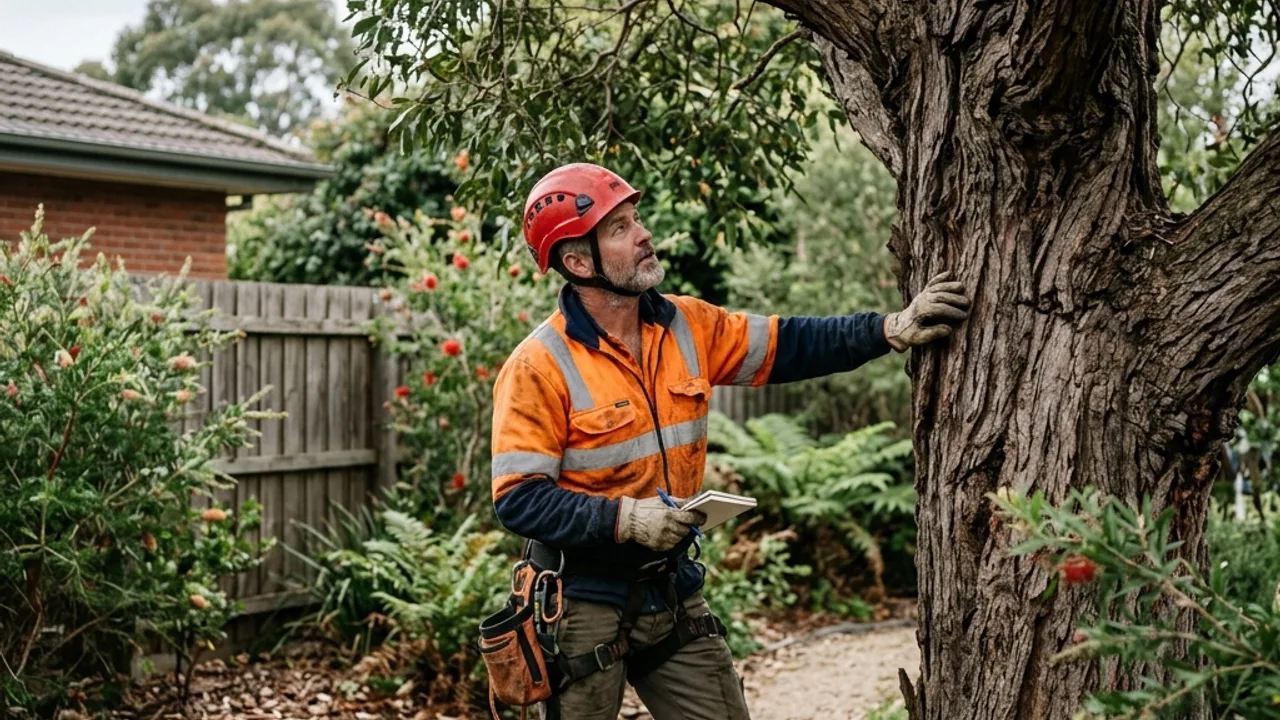
Clear questions before tree work
Finding the right next step is harder than it should be when tree condition, ACT protection rules, access and the intended outcome are mixed into one urgent-looking question.
The purpose of the site
Top Tree Removal Canberra helps property owners turn an uncertain tree problem into a useful written brief. It brings the decisions that materially change the work into view: immediate danger, public or private ownership, protected status, condition, access, nearby structures and electrical lines, the selected service, material handling and the desired ground finish.
The aim is not to diagnose a tree from a screen or manufacture an instant price. Photographs and measurements can prepare a conversation, but they do not replace an inspection, a protected-tree determination, a method statement or the actual provider's written quote. The site therefore separates what can be prepared online from what must still be checked at the property.
Canberra has its own statutory setting. Some private trees and all public trees are protected under the Urban Forest Act 2023. The content points readers to current City Services and WorkSafe ACT sources, while the final activity, approvals and electrical controls remain matters for the responsible authorities and the operator undertaking the work.
Removal is one possible outcome
A useful enquiry describes the problem before prescribing the work. A dead branch, clearance conflict, changing canopy, suspected defect, development question or storm impact may lead to different next steps. Depending on the evidence, selective pruning, assessment, public-tree reporting, approval work or removal may be the relevant path.
Explain what changed and what the property needs, rather than reducing the request to height or one service label.
Separate public trees from leased-land trees and confirm protected status before major pruning or removal proceeds.
Photograph the whole tree, base, access route, roofs, fences, neighbours and overhead services without attempting a remote diagnosis.
State what should happen to branches, logs, mulch, stump, grindings and the ground after the work.
Proof follows the actual operator
Qualifications, insurance, memberships, electrical-line authority, equipment, availability and experience belong to the provider who would attend. Ask the identified operator to supply current evidence for the proposed work.
Before engagement, request the actual business identity, relevant arboriculture qualifications, current insurance evidence, any work authorisation required for the method, the proposed scope and exclusions, approval responsibilities, price and terms. Compare providers against the same written outcome.
Use the provider-proof checklistPrepare a comparable scope
Start by separating public land from leased land, checking whether protected-tree rules may apply and recording what has changed around the tree.
Then show the whole tree, trunk base, access route and nearby roofs, fences, neighbours or overhead services. That evidence helps a provider decide whether the next step is an assessment, pruning, removal, stump work or an official safety route.
Before choosing a provider, compare the proposed method, inclusions, exclusions, approvals responsibility, material handling, qualifications, insurance, price and terms in writing. Keep those details beside each quote so differences in scope remain visible.
Protected and public-tree guidance is tied to City Services and the Urban Forest Act 2023.
Tree, access, nearby assets, stump work, waste and exclusions are recorded before quote comparison.
Pruning or assessment remains visible when it may better match the condition and outcome.
Qualifications, insurance, memberships and availability are confirmed for the actual operator.
Plan the next step
Prepare the tree, access and outcome details
Use the site to resolve the first questions, then send the property-specific evidence needed for a written response.